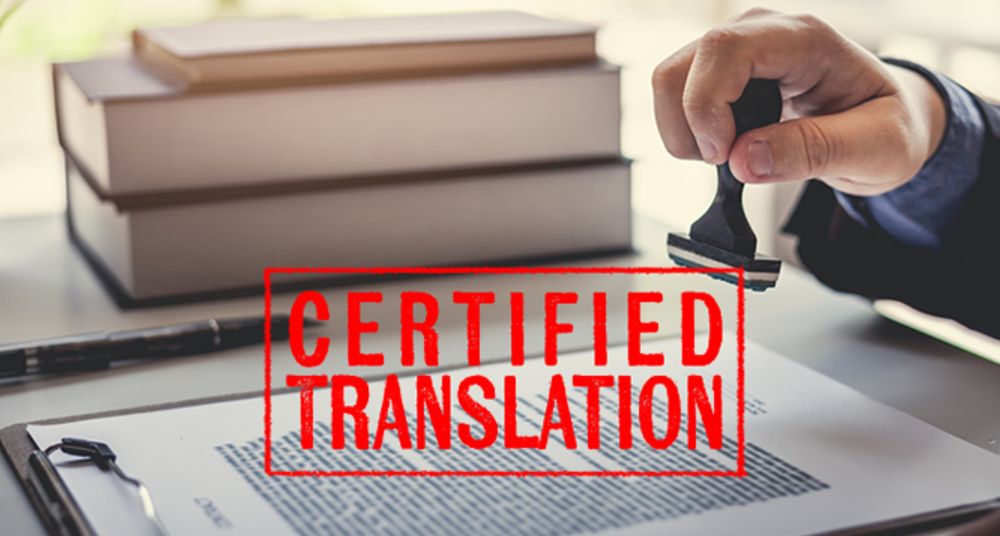
People who submit foreign documents in the United States often encounter the term certified translation. This typically happens during immigration filings, university admissions, court procedures, or other official processes where documents issued in another language must be reviewed by a U.S. institution.
Understanding what a certified translation means in the United States can help avoid confusion, delays, or rejected applications.
Many applicants assume that a certified translation requires a government-licensed translator or a sworn translation system similar to what exists in some European or Latin American countries. In reality, the U.S. approach is different.
What Is a Certified Translation in the United States
In the United States, a certified translation is a complete and accurate translation of a document that includes a signed statement confirming the accuracy of the translation.
This statement is usually called a Certification of Translation Accuracy.
The certification identifies the translator or translation provider and confirms that the translated document faithfully reflects the original.
Unlike some countries, the United States generally does not require translators to be government-appointed or sworn. What matters most is that the translation is complete, accurate, and accompanied by a proper certification statement.
What Makes a Translation “Certified”
A properly prepared certified translation usually includes several key elements.
First, the translation must include all text from the original document. Nothing should be omitted, including stamps, seals, handwritten notes, or administrative markings.
Second, the translation must include a signed certification statement confirming that the translation is complete and accurate.
Third, the certification must identify the translator or translation provider.
Finally, the certification includes the date and signature of the translator.
These elements together distinguish a certified translation from an informal translation.
Example of a Certification of Translation Accuracy
A typical certification statement used in the United States looks like this:
Certification of Translation Accuracy
I, [Translator’s Name], certify that I am fluent in English and Spanish and that the attached translation is a complete and accurate translation of the original document.
Signature
Date
Different translation providers may format the certification slightly differently, but the purpose is always the same: confirming that the translation accurately reflects the original document.
When Certified Translations Are Required
Certified translations are commonly required when institutions must rely on the accuracy of documents issued in another language.
Typical situations include immigration filings with USCIS, university admissions, credential evaluations, court submissions, and various government procedures.
If a document is issued in a foreign language and needs to be reviewed by a U.S. institution, an English translation with certification is usually required.
Common Documents That Require Certified Translation
Many personal and official records may require certified translation when submitted in the United States.
Common examples include:
- Birth certificates
- Marriage or divorce certificates
- Academic diplomas and transcripts
- Police records or civil registry documents
- Driver’s licenses and identification documents
- Legal documents submitted to courts or government agencies
Providing a complete and clearly formatted translation helps ensure that institutions can review documents without requesting additional clarification.
Do Certified Translations Need to Be Notarized
Notarization is one of the most common points of confusion.
In most cases, notarization is not required for certified translations in the United States. A signed certification statement from the translator is typically sufficient.
Notarization may be requested in some situations, but it is usually optional unless the institution specifically requires it.
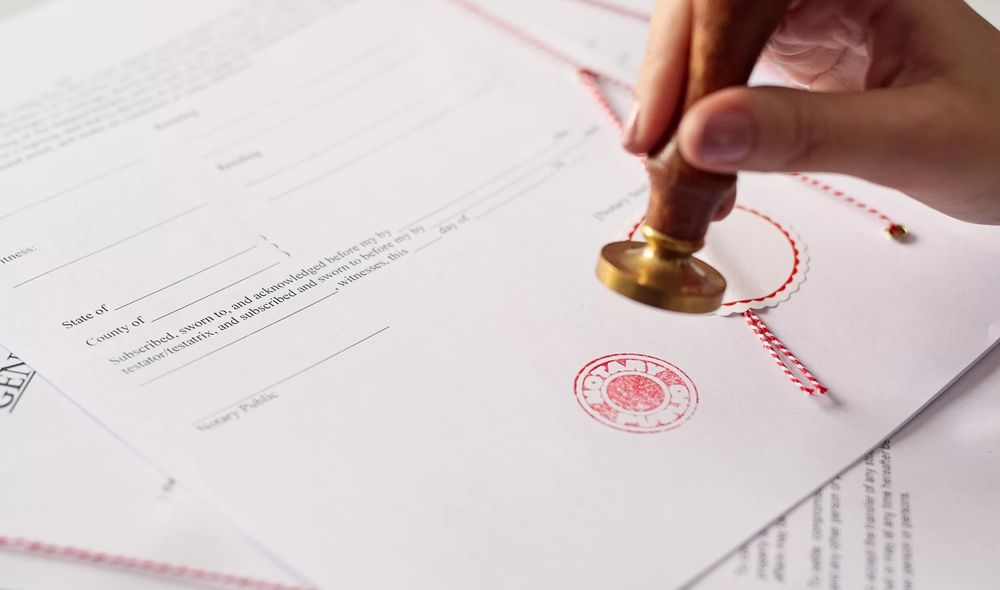
When notarization is used, the notary does not verify the translation itself. Instead, the notary verifies the identity of the person signing the certification statement.
Can You Translate Your Own Documents
Many applicants ask whether they can translate their own documents.
For most immigration and official purposes in the United States, self-translation is not recommended and may not be accepted.
Institutions generally expect the translation to be completed by a qualified third party who can certify that the translation is accurate.
Reasons Certified Translations Are Sometimes Rejected
Translation issues are a common cause of delays in document review.
Some of the most frequent problems include incomplete translations, missing certification statements, poor scans of the original document, or untranslated stamps and seals.
Even small omissions can cause institutions to request corrections or additional documentation.
Providing a properly formatted certified translation helps ensure that documents can be reviewed quickly and without unnecessary delays.
Are Certified Translations Accepted Across All States
Yes. Certified translations prepared according to U.S. standards are generally accepted nationwide.
The physical location of the translator usually does not determine whether the translation will be accepted. What matters most is that the translation is accurate, complete, and accompanied by a valid certification statement.
For example, translation providers in Charlotte, NC regularly prepare certified translations that are submitted to institutions across the United States, including federal agencies, universities, and credential evaluation organizations.
If you need certified translations for USCIS, universities, WES evaluations, or legal use, you can work directly with Carolina Translation Center — a professional team handling everything from personal documents to complex academic and business records with full certification and fast turnaround.